Maintenance is minimal. Vinyl doesn't need to be painted, stained, or sealed, and cleaning generally just requires an occasional rinse with a hose or a wipe down with soap and water if it gets dirty. This makes it a good option for homeowners who want a fence to look good year after year without dedicating a weekend to upkeep.
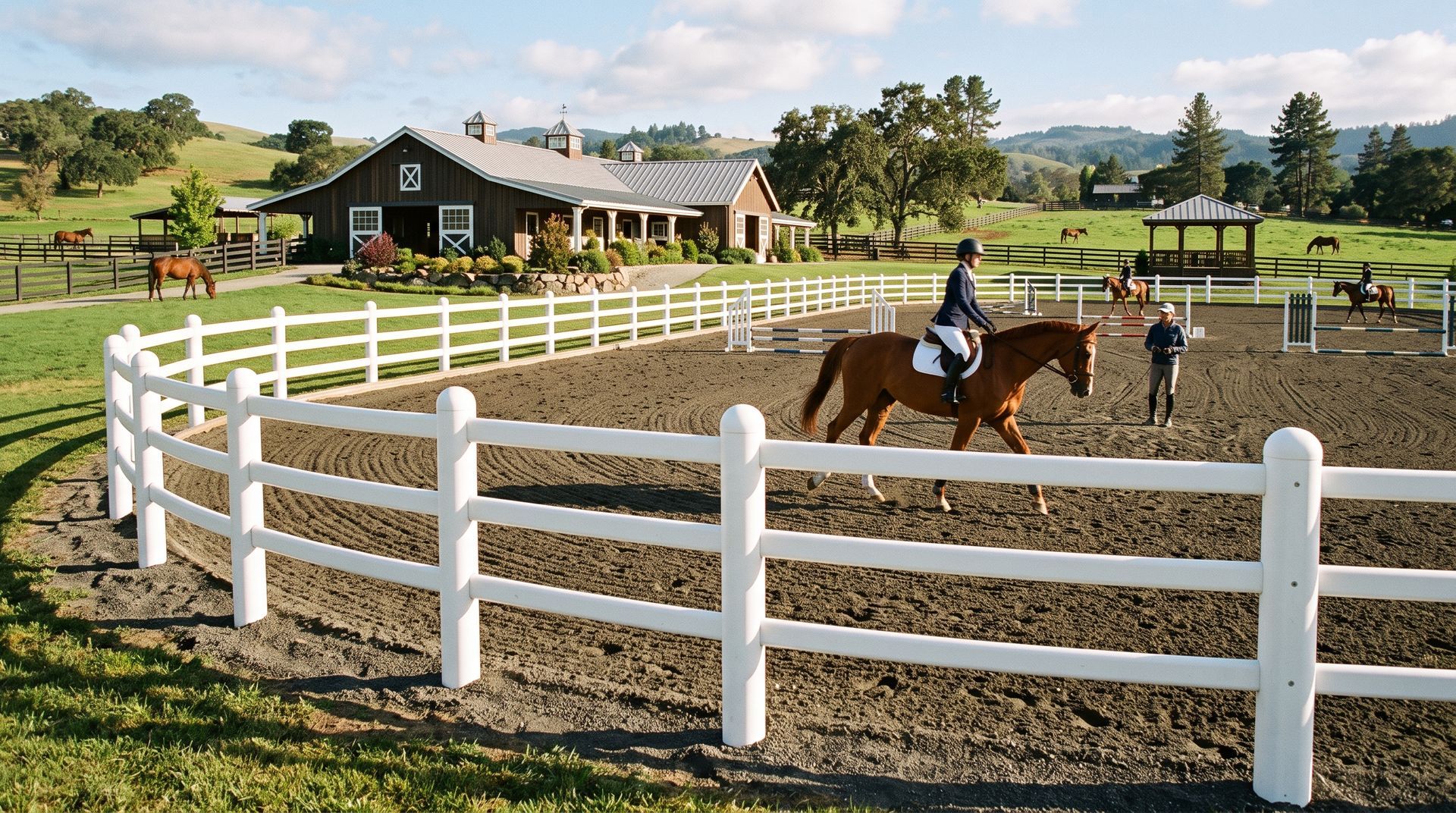
Appearance-wise, vinyl fencing comes in a range of styles and colors, including options designed to resemble traditional wood picket or privacy fencing. It holds its color well over time and doesn't fade or discolor the way some other materials can under prolonged sun exposure.
Vinyl fencing is a solid choice for privacy fences, pool enclosures, and standard residential boundary fencing. It's also a common choice for homeowners who previously had a wood fence and are tired of the repainting and staining cycle.
Vinyl fence installation cost is generally higher upfront than wood or chain link, reflecting both material cost and the labor involved in installing rigid vinyl panels correctly. However, because vinyl requires little ongoing maintenance and tends to last longer than wood without major repairs, many homeowners find the long-term value works in their favor.
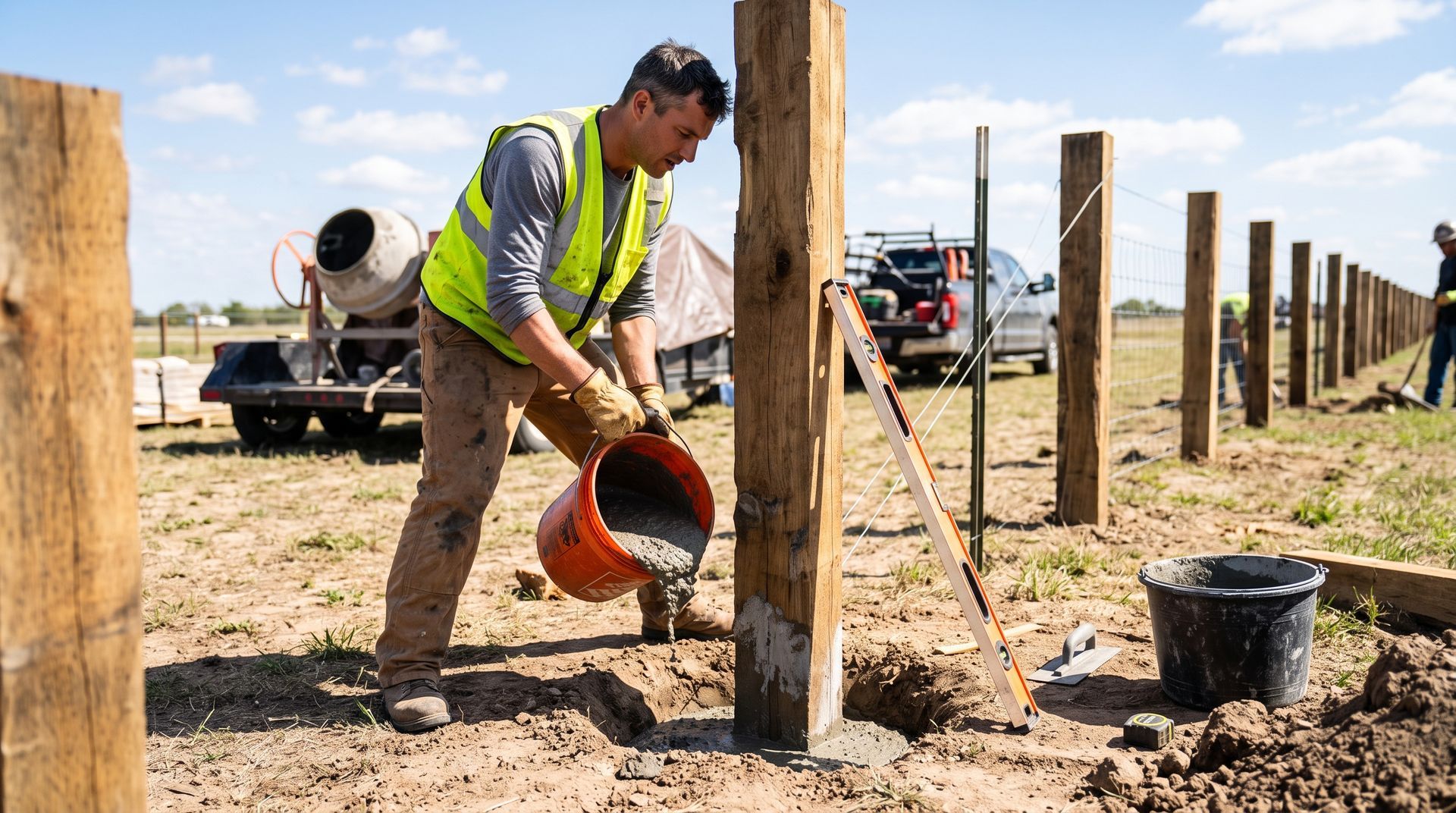
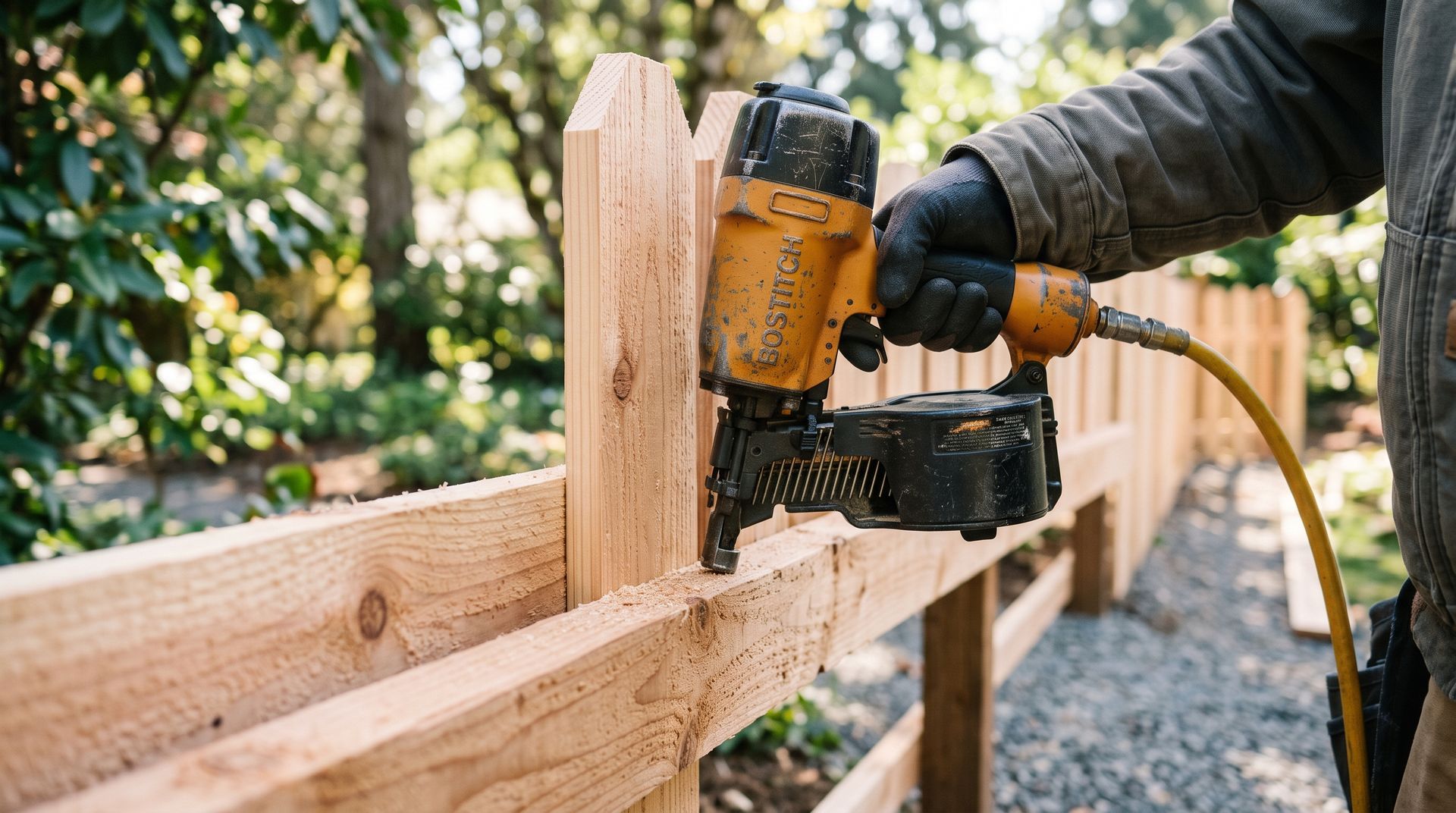
Proper installation matters with vinyl, since posts need to be set correctly to handle the rigidity of the material, particularly in areas with clay soil or significant freeze-thaw movement. Improperly set posts are one of the more common issues we see with vinyl fences installed by less experienced crews.
If you're considering vinyl fencing for your property, contact us for a free estimate. We can walk you through style options and give you a clear breakdown of installation costs.